

Cold outreach often feels like tossing messages into a digital void, hoping for a response. For B2B SaaS founders in the North American market, understanding mail outreach psychology can transform this process from guesswork to genuine connection. By tapping into cognitive triggers and behavioral motivators, you can craft emails that resonate with potential clients’ actual mindsets. This guide reveals practical strategies rooted in psychological science to help you personalize, sequence, and sustain meaningful engagement.
Table of Contents
- Mail Outreach Psychology Defined And Debunked
- Core Cognitive Biases That Drive Replies
- Personalization And Context In B2B Outreach
- Psychological Sequencing For Higher Responses
- Avoiding Common Outreach Mistakes And Fatigue
Key Takeaways
| Point | Details |
|---|---|
| Understanding Cognitive Triggers | Utilizing psychological principles helps craft emails that genuinely resonate with recipients, enhancing engagement beyond traditional methods. |
| Leveraging Cognitive Biases | Employ cognitive biases like social proof and scarcity to ethically influence decision-making and increase response rates. |
| Implementing Personalization | Deeply understand the recipient’s business context to create precise, relevant communications that address their unique challenges. |
| Avoiding Outreach Fatigue | Focus on quality communication, limiting frequency and ensuring each interaction provides meaningful value to prevent recipient burnout. |
Mail Outreach Psychology Defined and Debunked
Mail outreach psychology represents a sophisticated approach to understanding human behavior within digital communication strategies. At its core, it involves strategically leveraging psychological principles to craft emails that genuinely connect with recipients, moving beyond traditional spray-and-pray tactics.
The fundamental premise of mail outreach psychology centers on understanding cognitive triggers that motivate human decision-making. Email language psychology emphasizes how specific linguistic patterns and word choices can significantly influence recipients’ perceptions and reactions. These strategies aren’t about manipulation, but about creating genuine resonance.
Key psychological principles in mail outreach include:
- Confirming audience worldviews
- Creating low-friction response pathways
- Triggering specific emotional and cognitive responses
- Understanding subconscious decision-making patterns
Traditional outreach methods often fail because they treat emails as transactional documents rather than communication opportunities. Effective mail outreach psychology transforms emails from generic solicitations into personalized, psychologically informed interactions that respect the recipient’s cognitive landscape.
Here’s a comparison of traditional outreach tactics versus psychology-informed email strategies:
| Approach Type | Recipient Experience | Engagement Potential | Response Likelihood |
|---|---|---|---|
| Traditional Outreach | Feels generic, often ignored | Low, transactional | Minimal, rare replies |
| Psychology-Informed Outreach | Feels personalized and relevant | High, relationship-focused | Significantly increased |
Pro tip: Craft your email subject lines and opening sentences to align with your recipient’s existing mental models and perceived challenges.
Core Cognitive Biases That Drive Replies
Understanding the psychological mechanisms that trigger human responses is critical for effective B2B email outreach. Cognitive biases represent powerful mental shortcuts that significantly influence decision-making processes, particularly in professional communication contexts.
Behavioral triggers in email marketing reveal several key cognitive biases that can dramatically increase email engagement rates. These psychological mechanisms tap into deep-rooted human tendencies that override rational decision-making processes.
The most powerful cognitive biases for driving email replies include:
- Social Proof: Demonstrating that respected peers or industry leaders have already engaged
- Scarcity: Creating a sense of limited availability or time-sensitive opportunity
- Authority: Positioning your communication as coming from a credible, expert source
- Commitment Consistency: Aligning your request with the recipient’s existing beliefs or past actions
Successful B2B outreach strategies leverage these cognitive biases subtly and ethically. The goal isn’t manipulation, but creating genuine alignment between your communication and the recipient’s psychological decision-making patterns. By understanding these underlying mental frameworks, you can craft emails that feel personally relevant and compelling.
Pro tip: Design your email’s opening lines to immediately trigger one of these core cognitive biases, making your message feel more intrinsically valuable to the recipient.
Personalization and Context in B2B Outreach
Personalization in B2B email outreach transcends simple name insertion or generic company references. True personalization requires deep, nuanced understanding of the recipient’s specific business context, challenges, and strategic priorities.

Successful B2B communication demands contextual email strategies that demonstrate genuine research and strategic insight. This means going beyond surface-level information to craft messages that feel like they were designed specifically for the individual recipient’s unique business ecosystem.
Key elements of meaningful B2B personalization include:
- Demonstrating specific knowledge about the recipient’s company
- Highlighting relevant pain points unique to their industry segment
- Referencing recent company achievements or documented challenges
- Connecting your value proposition directly to their strategic objectives
- Showing understanding of their competitive landscape
Contextual personalization requires comprehensive research and a strategic approach. It’s not about volume or generic templating, but about creating a precise, targeted communication that resonates with the recipient’s specific business needs and aspirations.
Pro tip: Invest 15-20 minutes of deep research on each prospect to uncover unique insights that transform your outreach from generic to genuinely compelling.
Psychological Sequencing for Higher Responses
Psychological sequencing in B2B email outreach represents a sophisticated strategy that transforms cold communication into a carefully orchestrated engagement pathway. It’s about creating a strategic narrative that gradually builds trust, curiosity, and perceived value through methodical communication.
Email outreach best practices reveal that successful campaigns leverage psychological progression rather than delivering a single, aggressive pitch. This approach taps into fundamental cognitive mechanisms like reciprocity, familiarity, and incremental commitment.
Effective psychological sequencing involves multiple strategic stages:
- Initial Contact: Offer genuine value without asking for anything
- Curiosity Building: Introduce intriguing insights specific to the recipient’s context
- Credibility Establishment: Share relevant social proof or industry expertise
- Soft Engagement: Ask low-friction, easy-to-answer questions
- Strategic Positioning: Align your solution with their demonstrated challenges
The core principle of psychological sequencing is treating email communication as a nuanced conversation, not a transactional interrupt. Each email should feel like a natural progression, subtly moving the recipient toward engagement without triggering defensive psychological barriers.
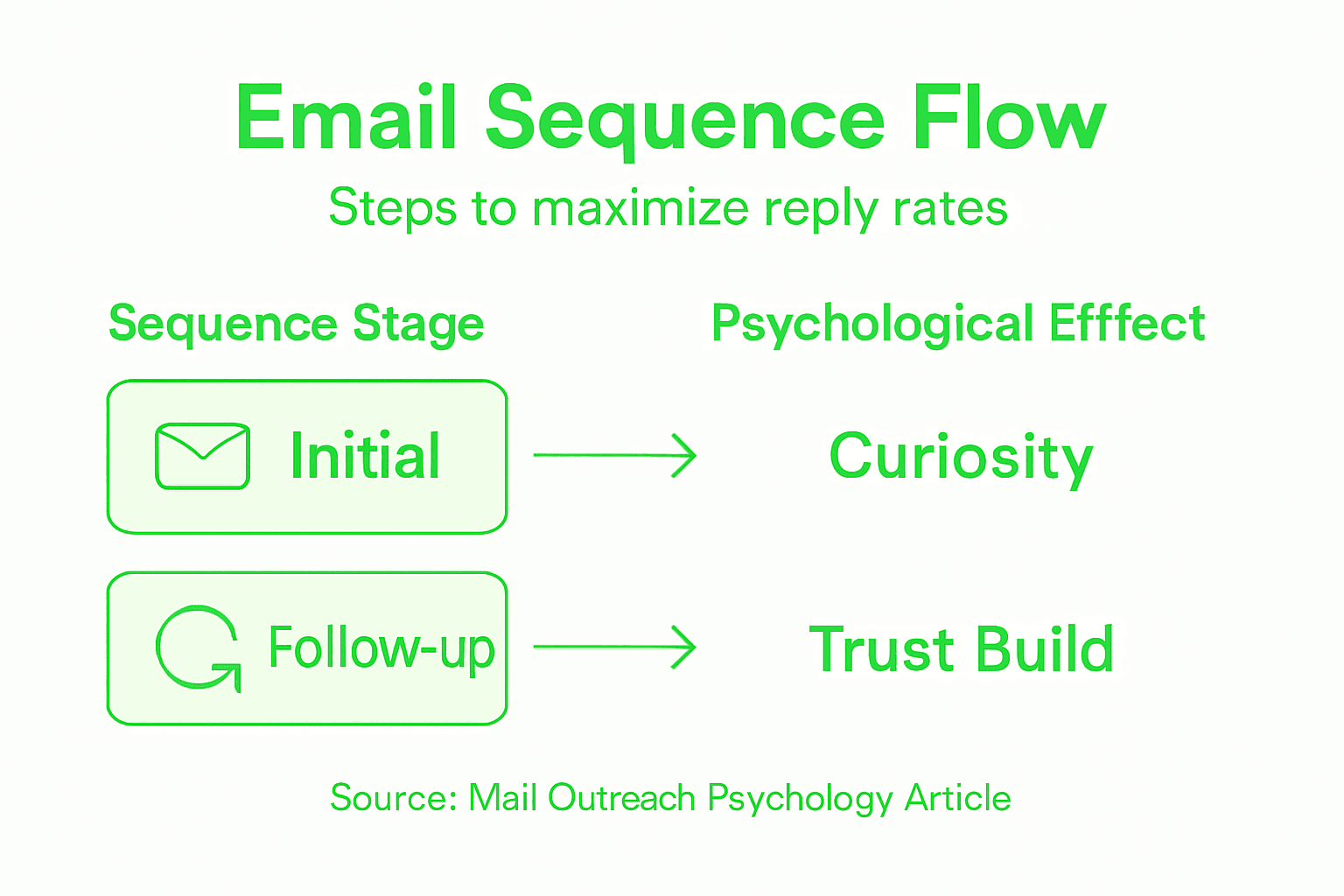
This summary table illustrates the typical sequence stages and their psychological impact in B2B email campaigns:
| Sequence Stage | Primary Goal | Psychological Effect |
|---|---|---|
| Initial Contact | Establish trust | Reduces skepticism |
| Curiosity Building | Spark interest | Stimulates engagement |
| Credibility Establishment | Build authority | Enhances confidence |
| Soft Engagement | Encourage dialogue | Lowers resistance |
| Strategic Positioning | Connect value | Aligns with recipient needs |
Pro tip: Design your email sequence like a narrative arc, where each message builds subtle psychological momentum toward your ultimate objective.
Avoiding Common Outreach Mistakes and Fatigue
Successful B2B email outreach requires a strategic approach that goes beyond generic communication tactics. Outreach fatigue emerges when recipients feel bombarded with irrelevant, repetitive, or low-value communication that fails to respect their time and professional context.
Email outreach best practices highlight the critical importance of preventing audience disengagement through thoughtful, targeted communication strategies. The most common pitfalls that trigger outreach fatigue can be systematically identified and mitigated.
Key mistakes that accelerate audience burnout include:
- Sending non-personalized, templated emails
- Excessive email frequency without meaningful content
- Failing to segment and understand target audiences
- Ignoring previous interaction signals
- Using overly aggressive sales language
- Neglecting recipient’s specific business context
The most effective outreach strategies prioritize quality over quantity, treating each communication as a carefully crafted opportunity to provide genuine value. This requires deep understanding of the recipient’s potential challenges, interests, and strategic objectives.
Pro tip: Implement a strict email cadence with clear value proposition, limiting communication to once every 10-14 days and always providing insights that matter to the recipient’s specific business needs.
Transform Your B2B Outreach with Psychology-Driven Personalization
The article highlights a common challenge in B2B email outreach where generic, transactional messaging leads to low engagement and outreach fatigue. You want to send emails that resonate by aligning with your recipient’s cognitive biases and business context. Key goals include crafting psychologically sequenced campaigns that reflect true personalization and build trust rather than interrupting prospects with irrelevant offers.
At Mailly, we solve this problem by combining deep contextual research with AI-powered strategy to help you design outreach that feels intentional and highly relevant. Our platform analyzes your target’s positioning, business hurdles, and industry signals to reframe your offer for maximum psychological impact. Using proven principles like social proof and commitment consistency, Mailly creates email sequences that build curiosity, credibility, and dialogue naturally.
Ready to escape generic templated emails and make your outreach truly strategic and engaging? Discover how to leverage psychological triggers and detailed personalization by visiting Mailly today.
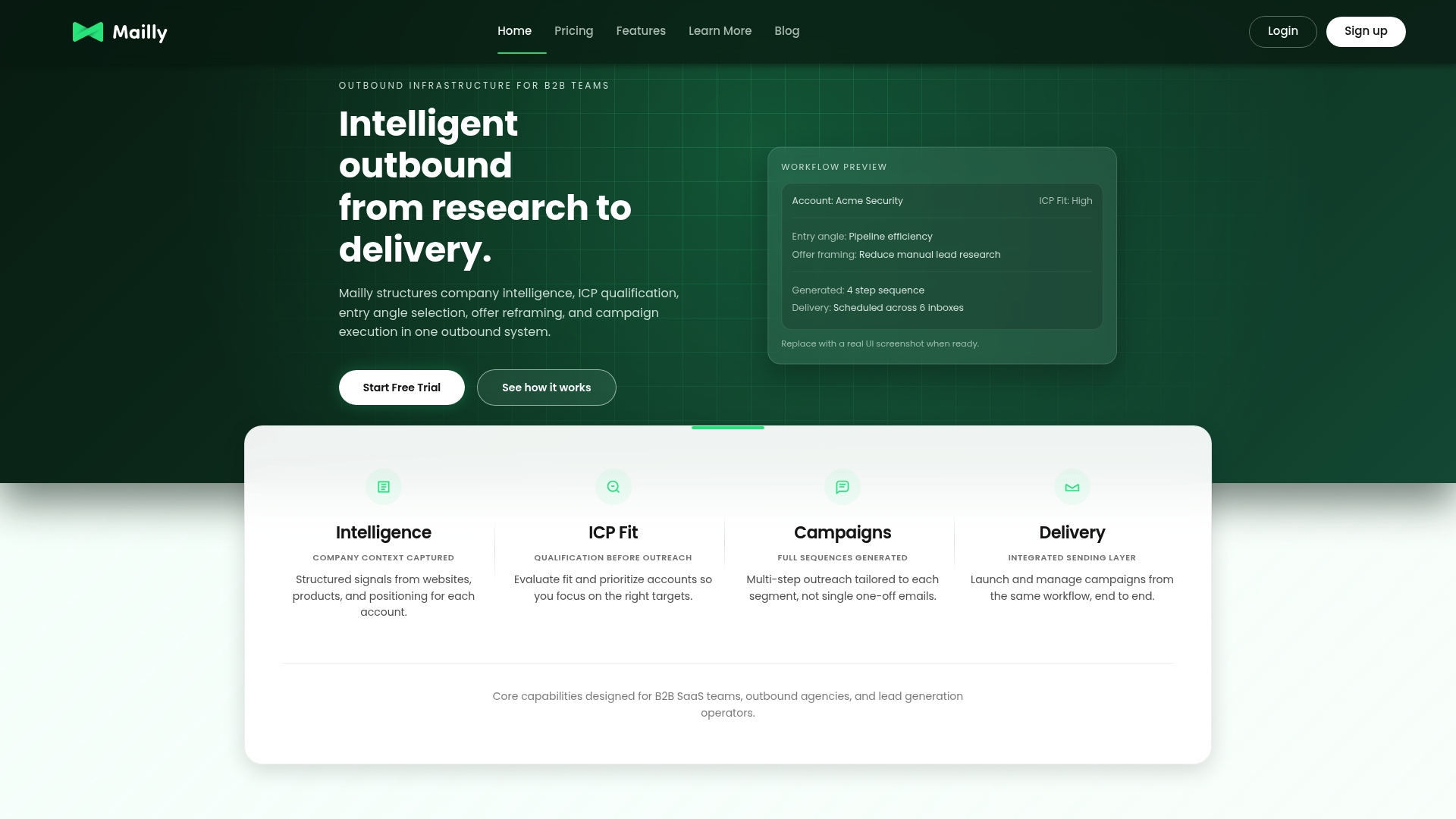
Take control of your B2B email strategy now. Start using AI-driven research and psychologically sequenced campaigns to boost reply rates and build meaningful relationships at Mailly. The right message at the right time can change your entire outreach game.
Frequently Asked Questions
What is mail outreach psychology?
Mail outreach psychology is an approach that uses psychological principles to craft emails that connect meaningfully with recipients, focusing on cognitive triggers that motivate decision-making.
How can cognitive biases improve email engagement?
Cognitive biases, such as social proof and scarcity, can enhance email engagement by appealing to deep-rooted human tendencies, making messages feel more relevant and compelling to recipients.
Why is personalization important in B2B email outreach?
Personalization goes beyond basic name inclusion; it requires a deep understanding of the recipient’s business context and specific challenges, leading to more meaningful and impactful communications.
How can I avoid email outreach fatigue?
To avoid outreach fatigue, focus on sending personalized, value-driven communications at a reasonable frequency, ensuring each message resonates with the recipient’s needs and avoids aggressive sales tactics.
